

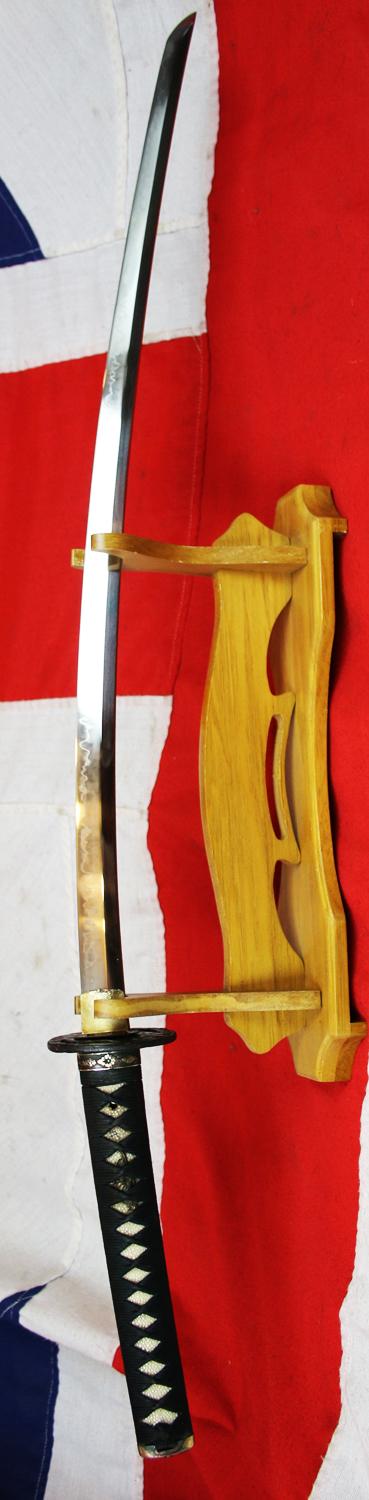
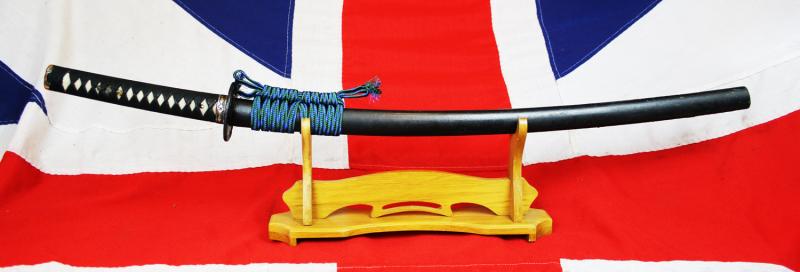
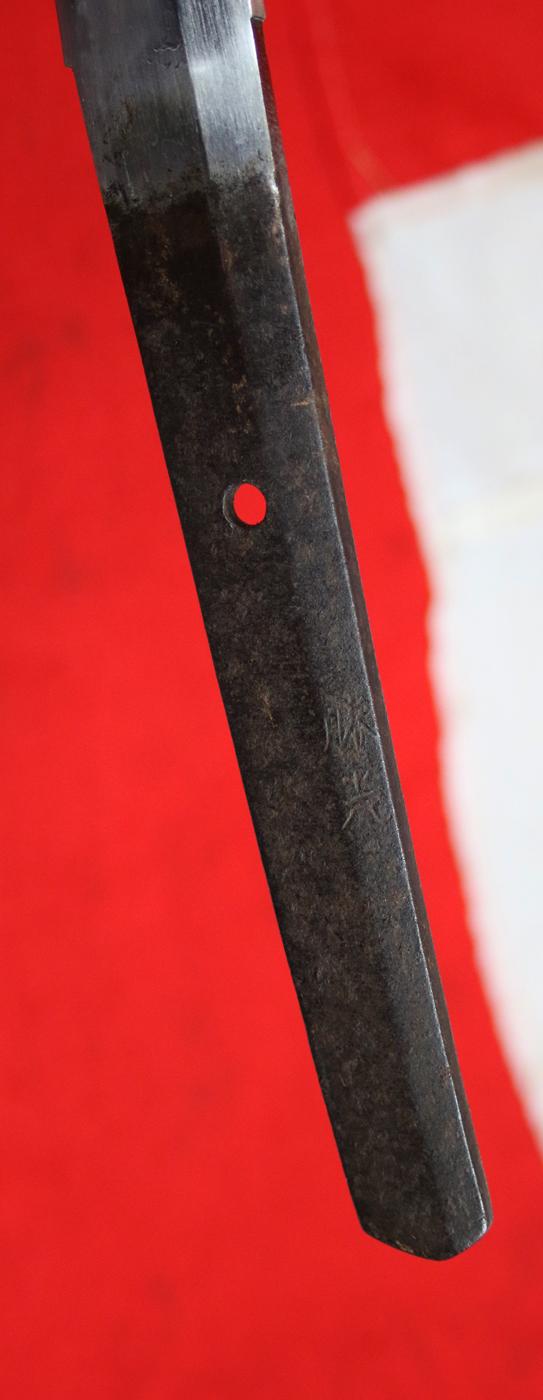
A Simply Glorious Bladed 'Katateuchi' 500 Year Old Katana Signed Katsumitsu 勝光. The Bizen Osafune Smiths Renown For Some of The Finest And Most Beautiful Blades To Ever Behold. The Very Form of Katana Used By Musashi, The Greatest Samurai Warrior
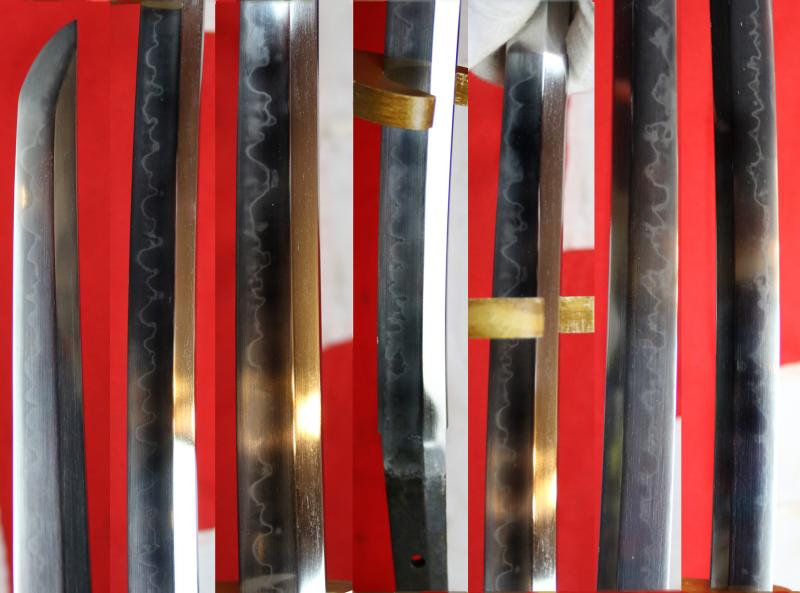
The blade on this is katana is truly breathtaking and one of the most beautiful we have had the privilege to own and display for sale amongst our collection.
If the greatest samurai who ever lived, Musashi, had used this sword, it would already have been over 100 years old.
Made and used by samurai, who was an expert in the combat form of two sword combat, that Musashi made famous a century later, and detailed in his iconic biography, The Five Rings
We hope that the photographs truly do this breathtaking sword blade justice.
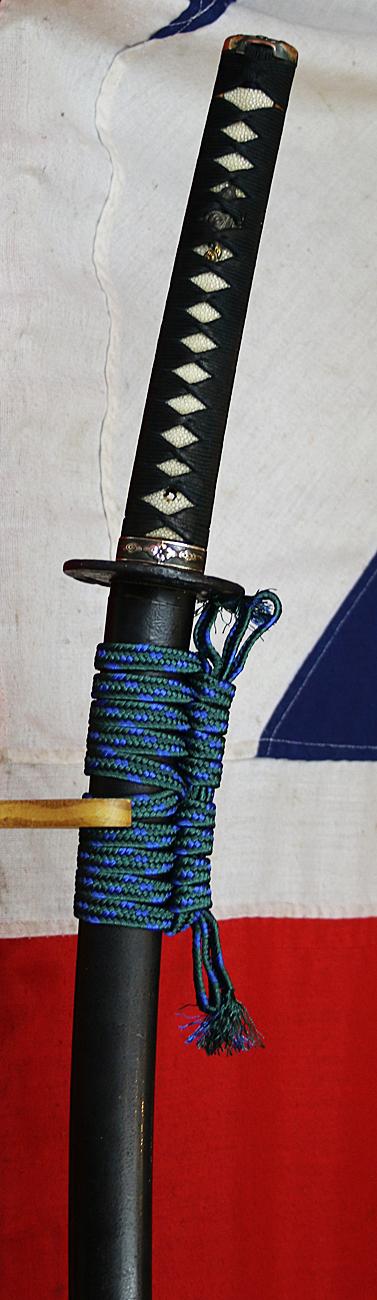
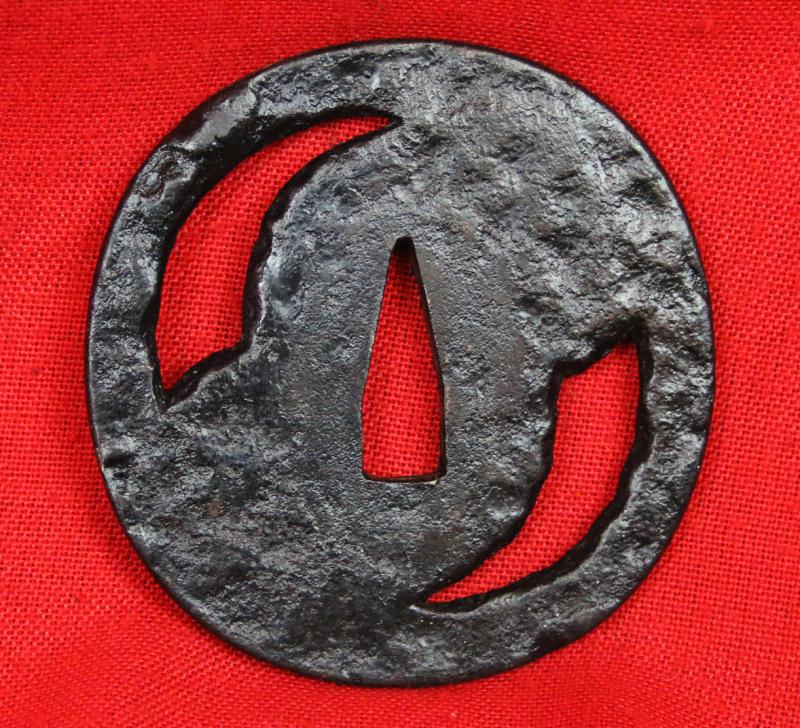
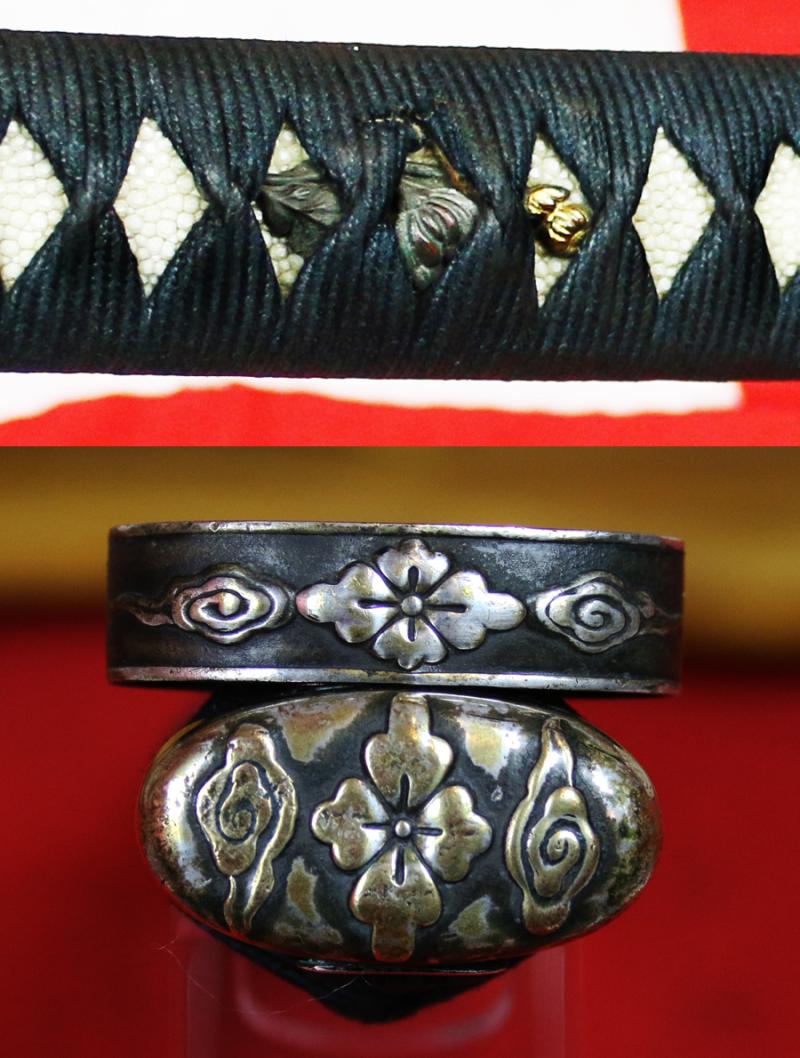
The blade is not only extraordinarily fine, and with a spectacular hamon, but in superb effectively flawless condition. The fuchi kashira and all the mounts are original Edo period with the Takeda clan kamon, the diamond form flower head of the Hanabishi, made of silvered copper-gold alloy. The hammered iron tsuba is very early, and most rare, made of tamehagane steel by an armourerer and swordsmith, and also in superb condition. The menuki, under the tsuka-ito, on the original samegawa giant rayskin, are shakudo and gold decorated plants.
A katateuchi by the Bizen smith Katsumitsu (late Muromachi period, around the late 15th to early 16th century) is a historical one-handed Japanese fighting sword (uchigatana) often measuring roughly 55 to 66 cm in length, featuring a distinctive short tang (nakago) designed for single-handed grip during the Sengoku period. This sword blade is 68cm.
Defining Features of Katsumitsu Katateuchi Crafted by the Osafune school smiths in Bizen Province (frequently associated with master smiths like Jirozaemonnojo Katsumitsu).
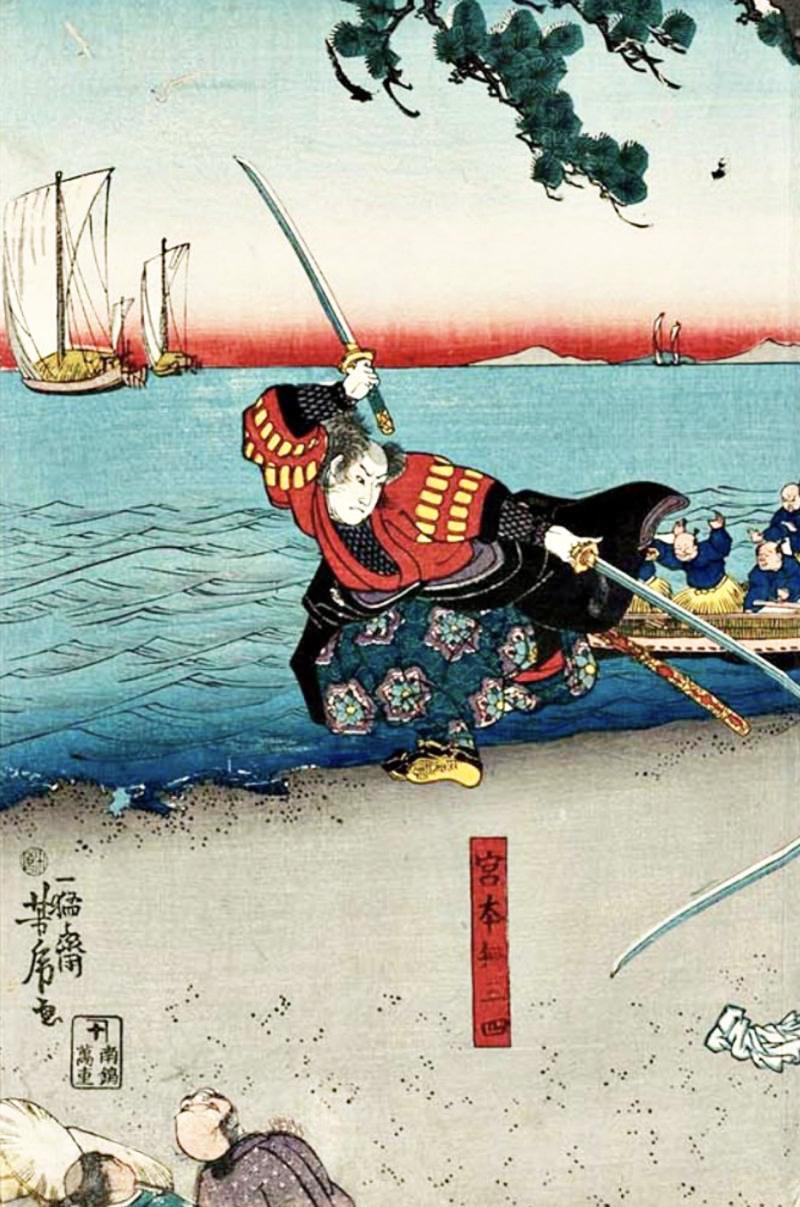
Miyamoto Musashi used and advocated for single-handed striking techniques, and the term katate-uchi (片手打ち, meaning "one-handed strike") describes both a functional sword style and a shorter type of uchigatana designed for one-handed use.
Musashi famously founded the two-sword strategy known as Niten Ichi-ryū, around 100 years after this sword was created, where he wielded a long sword (katana or daitō) and a companion short sword (wakizashi or shōtō) at the same time.
One- Wielding a long sword simultaneously with a short sword forces the practitioner to use the main katana with only one hand. Musashi noted in The Book of Five Rings (Go Rin No Sho) that training to use a long sword with one hand is essential because situations arise—such as being on a horse or in narrow spaces—where you cannot use both hands.
Late Muromachi / Sengoku era (circa 1490–1529), was an era of intense warfare. This sword is a most fine example of katana originally built strictly for one hand rather than the two-handed grip of a standard katana.
Typically a katana form that was, optimized for rapid drawing and close-quarters combat.
The Katsumitsu of Kashu Province resided in this province, This province was ruled by Maeda clan when Katsumitsu was alive. Maeda clan was originally a retainer of Oda family, who ruled Owari province. (today’s Nagoya area in Aichi prefecture) The first head of the Maeda clan was Toshie Maeda. He became the feudal lord of Kaga Province . It is said that he had a vast rice fief which is called Hyakuman Goku.
The Maeda clan was one of the most powerful lines in Samurai history. Toshie Maeda had a close tie with Oda Nobunaga and Hideyoshi Toyotomi.
The sword is mounted with a most fine Ko-Tōshō Sukashi Tsuba likely Kamakura period, ca. 1185–1333.
The Ko-Tōshō sukashi tsuba is solid iron plate tsuba, an early Japanese sword guard (tsuba) made by swordsmiths (Tōshō) during the pre Muromachi period (1336–1573). These pieces feature simple openwork (sukashi) cut from robust iron plates, blending utilitarian defense pierced with austere Zen-Buddhist symbolism. Made by early swordsmiths and armourers often using tamahagane sword steel
The saya needs a kurigata {sageo cord horn mount that is damaged} restored, a small task but we will attend to it. The saya is black ishime {stone finish in matt black}
Blade 68 cm long, 97 cm long overall in saya
Code: 26326
9400.00 GBP